How dissolvable supplement strips work
By Melt Daily ·
A supplement strip looks like a tiny sheet of colored paper, and then it disappears on your tongue. Here is what is actually going on, what a strip is made of, and how to get the most out of a tin.
What an oral thin film is
An oral thin film is a very thin, flexible sheet made from ingredients that dissolve in water. The same basic idea has been used for breath strips for years. A supplement strip uses that film as a carrier: the vitamins, botanicals or other active ingredients are mixed into the film while it is being made, so every strip holds a measured serving.
Making a film is a bit like making a very thin fruit leather. The ingredients are blended into a liquid mixture, spread into a thin, even layer, dried, and then cut into individual strips. Each strip is sealed in its own sachet so it stays dry until you open it.
How it dissolves
The film is built from ingredients that soak up water quickly. When you place a strip on your tongue, saliva starts softening it right away. Within a short time the film breaks down and the strip seems to melt, leaving a light flavor behind. Our strips dissolve in under a minute.
Once dissolved, the strip's contents are swallowed along with your saliva, the same way you would swallow anything else. You do not need to chew it, and you do not need a drink to wash it down, although sipping water afterward is perfectly fine.
What is in a strip besides the active ingredients
Every strip has two parts: the active ingredients you buy it for, which are listed on the Supplement Facts panel, and the ingredients that make it a strip, which are listed under Other Ingredients. On our tins, those other ingredients fall into a few simple groups:
- Film formers. Pullulan is the main one in every tin we sell. It is a starch-like ingredient made by fermentation, and it forms the clear, flexible base of the film. Pectin and cellulose also appear in many of our strips to help with body and texture.
- Emulsifiers. Lecithin (sunflower lecithin in some tins) helps oil-loving and water-loving ingredients blend evenly, so each strip is consistent. A few flavors also use medium-chain triglycerides, a type of oil, for the same reason.
- Sweeteners. Monk fruit extract, steviol glycosides from stevia, and sugar alcohols such as erythritol, mannitol, sorbitol or xylitol, depending on the flavor. They keep the strip tasting pleasant without sugar.
- Flavor and tartness. Flavors like cranberry, chocolate or raspberry, plus a little malic acid or citric acid for a bright, fruity edge.
- Thickeners. Xanthan gum shows up in a couple of tins to help the mixture spread evenly before it dries.
Because the strip itself is so small, these supporting ingredients are present in small amounts. A whole strip, film and all, weighs between 100 mg and 290 mg depending on the tin. You can see the exact list for any strip on its product page.
Why a strip is small
The thinness that makes a strip melt quickly also limits how much it can hold. A capsule can carry much more than a film the size of a stamp. That is why strips work best for ingredients that are measured in micrograms or small numbers of milligrams, like vitamin B12, biotin or vitamin D3. It is also why we print the amount of every active ingredient on each tin, so you always know exactly what one strip carries.
How to store strips
Strips are designed to dissolve in moisture, so moisture is the main thing to protect them from. A few simple habits keep them in good shape:
- Keep each strip sealed in its sachet until you are ready to take it.
- Close the tin after you take a sachet out.
- Store the tin somewhere cool and dry. A bag, a desk drawer or a jacket pocket is fine. A steamy bathroom shelf or a hot car dashboard is not.
- Handle strips with dry hands. A damp fingertip can start softening a strip before it reaches your tongue.
- Keep tins out of reach of children. They are flavored and small, and they are supplements, not candy.
If a strip has gone soft or sticky because a sachet was damaged, it is best to set that one aside and use a fresh one.
How to take one
- Peel open one sachet with dry hands.
- Place the strip on your tongue.
- Close your mouth and let it dissolve. Try not to chew it. It takes under a minute.
- Swallow normally once it has melted. Water afterward is optional.
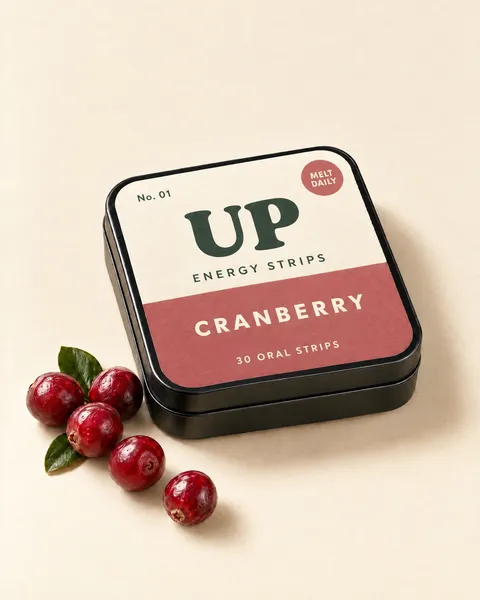
Follow the directions on each tin. For our strips that means one strip a day, and no more than one a day. Some strips are better suited to a particular time: UP contains caffeine, so most people take it earlier in the day, and each tin's label notes anything else worth knowing, such as allergens or interactions.
A quick recap
A supplement strip is a thin, water-soluble film that carries a measured serving of an active ingredient. It melts on your tongue in under a minute, needs no water, and is made mostly from a film former, a little emulsifier, sweetener and flavor. Keep the sachets sealed and the tin closed and dry, take one a day as directed, and read the Supplement Facts panel so you know what each strip contains.
If you are pregnant, nursing, taking any medication or managing a health condition, check with your doctor or pharmacist before adding a supplement.
*These statements have not been evaluated by the Food and Drug Administration. These products are not intended to diagnose, treat, cure, or prevent any disease.